November 3, 2026
The Ultimate Guide to Modern Cosmetic Dentistry
By @travisakyo632
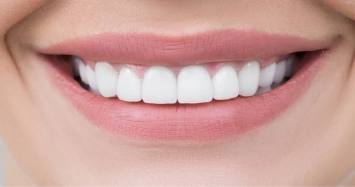
Cosmetic dentistry used to mean a narrow set of treatments aimed mostly at brighter, straighter front teeth. That picture is outdated. Modern cosmetic dentistry now sits at the intersection of esthetics, oral health, materials science, digital planning, and careful clinical judgment. The best results do not look "done." They look balanced, healthy, and believable in the context of a real face.
Patients rarely walk into a practice asking for a textbook procedure. They ask for confidence in photos, less embarrassment during meetings, a fix for a chipped tooth before a wedding, or help after years of grinding have shortened their smile. Some want a subtle refresh that no one can name. Others want a dramatic change after old dental work has darkened, fractured, or started to look artificial. Those are very different problems, and they should not be solved with the same template.
That is what makes cosmetic dentistry both appealing and easy to misunderstand. It is not simply about making teeth whiter or more uniform. It is about proportion, shade, translucency, gum display, bite forces, lip movement, speech, and longevity. A dentist with real cosmetic experience thinks beyond the before-and-after image. They consider how a restoration will photograph in daylight, how it will wear in five years, and whether the patient will still be happy once the novelty wears off.
What modern cosmetic dentistry actually includes
The phrase "Cosmetic Dentistry" covers more ground than most people realize. It includes whitening, bonding, veneers, enamel contouring, gum reshaping, clear aligner treatment, cosmetic crowns, implant restorations, and full smile rehabilitation in more complex cases. Some of these options are conservative and reversible. Others involve permanent changes to tooth structure and require more planning.
One of the most important shifts in the last decade has been the move away from one-size-fits-all smile design. Years ago, it was common to see overly opaque, uniformly white restorations with flat facial surfaces and identical shapes from one patient to the next. They often looked fine in a clinic photo and strange in conversation. Today, better clinicians aim for individuality. A 28-year-old fitness instructor, a 52-year-old trial attorney, and a 70-year-old retiree should not all receive the same smile recipe.
Another major change is the rise of digital workflows. Intraoral scanners, digital smile previews, and improved lab communication can make treatment more precise and predictable. That said, technology does not replace taste or experience. A mediocre plan executed digitally is still a mediocre plan. The software helps, but the diagnosis still matters most.
The esthetic principles behind a natural-looking smile
Natural smiles have variation. They are not perfectly symmetrical under magnification, and they should not be. The central incisors usually anchor the smile visually, but the laterals, canines, gum line, and lower lip all influence whether the final result feels harmonious. Good cosmetic work respects facial proportions rather than forcing teeth into isolation.
Shade selection is one area where patients and dentists often start with different assumptions. Many patients initially request the brightest white available because that seems safest. In practice, the brightest shade is not always the most attractive. Teeth that are too white for a person's complexion, eye color, age, or existing enamel texture can look flat and obvious. Natural teeth carry depth. They reflect light differently at the edges, often show slight translucency, and are rarely one uniform color from gumline to incisal edge. Reproducing that variation takes restraint.
Tooth shape also carries personality. Square shapes tend to read stronger and more structured. Rounded edges can feel softer and more youthful. The width-to-length ratio matters as well. Teeth that are too short can make the smile look worn or aged. Teeth that are too long can dominate the face and create speech issues if planned poorly. The final design should match facial movement, not just still photography.
Then there is the gum line, which is often overlooked. Even beautifully crafted veneers can look off if one side sits higher than the other or if excess gum tissue hides the true proportions of the front teeth. Sometimes the biggest esthetic improvement comes not from covering teeth, but from revealing what is already there through careful gum contouring or orthodontic movement.
Whitening, the most common gateway treatment
Professional whitening remains the entry point for many patients because it is conservative, relatively affordable, and often effective. It can be done in-office, at home with custom trays, or with a combined approach. The right choice depends on stain type, sensitivity, time frame, and the condition of any existing restorations.
Extrinsic stains, those caused by coffee, tea, red wine, tobacco, and daily wear, generally respond well. Intrinsic discoloration is more complicated. Teeth darkened by trauma, some medications, developmental defects, or aging may whiten unevenly or less dramatically. Patients with many visible crowns, veneers, or fillings need special counseling because those materials do not lighten the way natural enamel does. A patient may whiten their teeth several shades and then suddenly notice that a ten-year-old crown on a front tooth no longer matches.
In practice, over-the-counter products can help with mild staining, but their fit and peroxide levels are usually less controlled than professional options. Custom trays often provide the best blend of effectiveness and flexibility, especially for patients who prefer gradual change and touch-ups over time. In-office whitening can produce a faster result, but it may cause more temporary sensitivity in some people.
Whitening is also one of the clearest examples of why diagnosis matters. If the real problem is enamel wear, craze lines, patchy calcification, or old mismatched fillings, whitening alone may expose contrast rather than solve it.
Bonding, small changes with surprising impact
Composite bonding is one of the most underrated tools in cosmetic dentistry. Done well, it can close small gaps, reshape worn edges, repair chips, improve minor asymmetry, and mask localized discoloration with minimal or no drilling. It is also usually less expensive than porcelain and can often be completed in a single visit.
The catch is that bonding is technique-sensitive. The material itself is capable of excellent esthetics, but it depends heavily on the dentist's eye for anatomy, layering, polish, and edge blending. A rushed or heavy-handed bond can stain, chip, or look dull much sooner than a carefully placed one. In the wrong case, it can also add bulk and make teeth look wider or more artificial.
For younger patients, bonding is often a smart first step. Someone in their twenties with healthy enamel and a few cosmetic concerns may not be ready for veneers, especially if the issue is small and localized. Bonding preserves options. It can serve as a long-term solution or a transitional one while a patient decides whether more comprehensive treatment is worth it.
Veneers, powerful but not casual
Porcelain veneers carry a certain mystique, and for good reason. They can transform shape, color, alignment, and overall smile character in ways that bleaching or bonding cannot. They are also among the most misunderstood procedures in Cosmetic Dentistry.
A veneer is a thin porcelain shell bonded to the front surface of a tooth. In some cases, little to no enamel reduction is needed. In others, careful preparation is essential to avoid overcontouring and maintain a natural emergence profile. The conservative approach depends on the starting position of the teeth. A patient with very prominent, crowded front teeth may need orthodontic alignment or selective reduction before veneers can look refined.
The best veneer cases are planned backwards from the final esthetic goal. That usually means studying photos, evaluating the bite, considering gum symmetry, and often creating a mock-up that lets the patient preview shape and length before anything irreversible happens. This step is where expectations become real. A person may think they want "perfect Hollywood teeth" until they see that style on their own face and realize it feels too aggressive.
Poor veneer cases tend to share the same problems. The teeth are too large, too opaque, too uniform, or too bright. The gums become inflamed because the margins are bulky. The bite is ignored, so edges chip or loosen under functional stress. Patients often blame porcelain when the real issue was planning.
When veneers are appropriate and well executed, they can last many years. The exact lifespan varies with bite forces, hygiene, grinding habits, diet, and the skill of both the dentist and laboratory. Ten to fifteen years is often discussed as a realistic range, but some fail sooner and some last longer. There is no honest version of cosmetic treatment that promises permanence.
Clear aligners changed the conversation
One of the most significant developments in modern cosmetic dentistry is how often straightening is now part of the esthetic discussion, even when the chief complaint seems unrelated. Patients may ask for veneers because one tooth overlaps slightly or because the smile looks narrow. In some of those cases, clear aligners can create a better foundation with less drilling.
Orthodontic movement is not always the fastest route, but it is often the most biologically respectful. If teeth can be repositioned rather than covered, that deserves serious consideration. Small rotations, black triangles, uneven spacing, and narrow arch form can frequently be improved with aligner therapy followed by whitening or selective bonding. The final result may look more natural because the patient's own enamel remains the star.
Of course, clear aligners are not magic. They require compliance, careful case selection, and sometimes refinement or attachments that patients do not expect at first. They are excellent for many mild to moderate cosmetic cases, but not every movement tracks ideally, and some bites are better handled with traditional orthodontics. The important point is this: modern smile design should include movement as an option, not just masking.
Gum contouring and the frame around the teeth
Teeth do not exist in a vacuum. The gums frame the smile, and a small imbalance there can change the whole esthetic impression. A patient with short-looking teeth may assume they need veneers, when the real issue is excess gum display or altered passive eruption. A patient with one front tooth that appears smaller may simply have a gum margin that sits too low.
Laser recontouring or surgical crown lengthening can be remarkably effective in the right hands. These procedures are often modest in scope, but they demand precision. Remove too little and the asymmetry remains. Remove too much and the smile can look harsh, or worse, create sensitivity and biologic problems. The periodontal perspective matters here. Healthy, stable tissue is not negotiable.
This is also where interdisciplinary care becomes valuable. A cosmetic dentist who works closely with a periodontist and a quality laboratory usually delivers more stable esthetic results than one trying to solve every problem alone.
Replacing old dentistry can be more complex than starting fresh
A large share of cosmetic consultations involve existing work, not untouched teeth. Old crowns darken at the margins. Veneers from the early 2000s can look thick and monochromatic. Bonding picks up stain. Metal-based restorations may leave gray shadows near the gumline. Replacing these restorations is often harder than doing a first-time cosmetic case because the enamel may already be altered, tissue architecture may be compromised, and color matching becomes more demanding.
This is where conservative thinking matters again. Sometimes the right move is to replace only the most visible, most problematic restorations and leave the rest alone. Sometimes a partial update looks worse than a cohesive redesign. The answer depends on smile line, patient priorities, budget, and the condition of the underlying teeth.
A skilled clinician should be candid about uncertainty. Once an old crown comes off, new information often appears: decay, cracks, limited remaining tooth structure, or gum recession that had been hidden. Cosmetic plans need room for those realities.
How to judge whether a treatment plan is sensible
Patients often focus on the final image and not enough on the path used to get there. A trustworthy cosmetic plan usually has a clear diagnosis, a rationale for why one option is preferred over another, and an honest discussion of compromises.
A few signs that a plan deserves closer attention:
- The same treatment is recommended for every cosmetic concern, regardless of the starting problem.
- No photographs, bite analysis, or smile preview are used for major esthetic work.
- Whitening is promised to match existing crowns or veneers exactly.
- Veneers are proposed without discussing orthodontic movement when crowding is mild.
- Longevity is described as guaranteed rather than variable.
Good cosmetic treatment planning also accounts for function. If a patient grinds heavily, that Cosmetic Dentistry must shape the design. If the front teeth are already worn because the back bite has collapsed, simply making the front teeth prettier without addressing force patterns is asking for trouble. Night guards are not glamorous, but they protect expensive work and should be discussed routinely when indicated.
The role of materials, and why the "best" one depends on the case
Patients often ask for the strongest or most natural material as though a single answer applies to every situation. It does not. Different ceramics and composites have different strengths, translucencies, thickness requirements, and bonding protocols. A highly translucent porcelain may look beautiful in a veneer case with good underlying tooth color, while a more masking material may be necessary for tetracycline staining or a dark root-filled tooth.
Strength alone is not the whole story. A material can be strong in a lab and still fail clinically if used in the wrong thickness, on the wrong tooth, or in a poor bite. Bonding quality, preparation design, and occlusal management matter just as much as the brand name or ceramic category.
The same goes for crowns versus veneers. If a tooth is heavily filled, cracked, root-treated, or structurally compromised, a veneer may not be the responsible choice even if it is more conservative on paper. Cosmetic dentistry still has to respect restorative dentistry.
Cost, maintenance, and the reality after the reveal
A polished before-and-after gallery compresses a lot of maintenance into a single frame. Cosmetic dentistry can be life-changing, but it is not maintenance-free. Whitening fades. Bonding may need repolishing or repair. Veneers can chip. Retainers after aligner treatment are essential, not optional. Gum health can make gorgeous restorations look neglected within months if home care slips.
Patients do best when they understand the full cost over time, not just the fee for the initial treatment. Someone choosing between bonding and porcelain should know that bonding may cost less up front but can require more touch-ups. Someone investing in veneers should budget mentally for future replacement, even if that day is many years away.
That does not make cosmetic treatment a poor investment. For many people, it is among the most personally meaningful Cosmetic Dentistry healthcare decisions they make. It can change social ease, professional confidence, and willingness to smile without guarding the mouth. But the emotional value is highest when the practical expectations are grounded.
Choosing the right cosmetic dentist
Credentials matter, but so does evidence of taste and consistency. A dentist may have a strong general practice and still not be the right fit for high-level cosmetic work. Looking at real case photography helps, especially cases that resemble your own starting point. It also helps to see smiles that look natural across ages, not just ultra-bright makeover cases.
The consultation should feel collaborative rather than sales-driven. A strong cosmetic dentist usually asks a lot of questions: what the patient notices first, what bothers them in photos, whether they want subtle or obvious change, whether they have had prior dental trauma, whether they clench, and what budget or timeline constraints exist. Those questions are not filler. They shape the treatment.
A useful consultation often covers these points:
- what is bothering you esthetically, and what is functionally relevant
- which options preserve the most natural tooth structure
- where the limitations are, especially with color matching and existing restorations
- how temporaries, mock-ups, or previews will be used
- what maintenance will be required after treatment
If the conversation skips straight from complaint to price without proper examination and planning, be cautious. Cosmetic dentistry rewards patience.
Where modern cosmetic dentistry is heading
The future of cosmetic dentistry is likely to become even more conservative and personalized. Better adhesives, refined ceramics, stronger digital planning, and more seamless collaboration between dentist, specialist, and laboratory are moving treatment toward precision rather than excess. The trend worth noticing is not bigger, brighter smiles. It is smarter planning with less unnecessary removal of enamel.
That is good news for patients. The most sophisticated cosmetic result today often looks like nothing happened at all. The smile simply fits the person better. The teeth look healthier, the proportions feel calmer, the color is cleaner, and the overall effect is confidence rather than conspicuous dentistry.
That is the real standard. Not perfection in a vacuum, but a smile that holds up in conversation, in photographs, at dinner, under natural light, and years after the initial excitement fades. Modern cosmetic dentistry is at its best when it respects biology, values restraint, and delivers beauty that still feels like you.
Toothworks of Bakersfield, Dentist and Orthodontist
1030 H St #1, Bakersfield, CA 93304, United States
+1 661-323-9421
FAQ About Cosmetic Dentistry
Is bonding better than veneers?
Neither option is best for everyone. Composite bonding can address small chips, gaps, or shape concerns and is generally easier to repair. Porcelain veneers may offer greater resistance to staining and wear, but often require removal of some enamel. A dentist should assess your oral health, bite, goals, and budget before recommending treatment.
How long will dental bonding last?
Bonding commonly lasts about three to ten years before it needs repair or replacement, though this varies with the location and amount of bonding, your bite, and daily habits. Regular dental visits, good oral hygiene, and avoiding chewing hard objects can help protect it. Ask your dentist what lifespan is realistic for your particular treatment.
What are the risks of teeth whitening?
Whitening can cause temporary tooth sensitivity and gum irritation. Overuse or incorrect use may damage teeth or gums, and whitening does not change the color of existing crowns, veneers, or fillings. Have a dentist assess your teeth and gums, and follow the recommended product directions and treatment schedule.
❧