November 3, 2026
Cosmetic Dentistry Procedures With the Shortest Downtime
By @travisakyo632

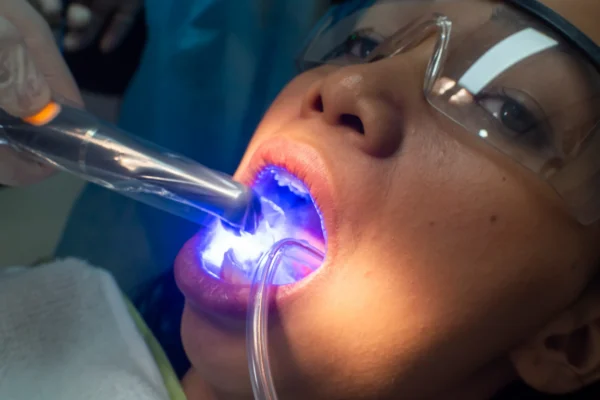
A large Cosmetic Dentistry Toothworks of Bakersfield, Dentist and Orthodontist share of cosmetic dentistry conversations begin with the same practical question: how long will I be out of commission? People want a better smile, but they also have work meetings, weddings, travel, family photos, and ordinary routines that do not leave much room for recovery. That is why the procedures with the shortest downtime tend to be the ones patients ask about first.
In cosmetic dentistry, "downtime" does not always mean being bedridden or unable to function. More often, it means the period during which your teeth feel sensitive, your gums look irritated, your speech feels slightly different, or you need to avoid certain foods and drinks. For some treatments, the answer is measured in hours. For others, it stretches into days or weeks, even when the procedure itself is not especially painful.
The shortest downtime procedures usually share three traits. They are minimally invasive, they preserve natural tooth structure, and they create cosmetic change without asking the tissues to heal from major trauma. That does not make them trivial. It simply means the body has less to recover from.
What "short downtime" really means in the dental chair
Patients often use the phrase as shorthand for several concerns at once. They want to know if they can return to work the same day, whether they will need pain medication, whether people will notice they had something done, and if they will have to change what they eat.
A treatment can be quick but still leave you with a few days of sensitivity. Another can take longer in the chair but require almost no recovery afterward. Tooth whitening is a good example. A single appointment may run close to an hour, yet many people walk out and continue their day as usual. On the other hand, even a conservative bonding case may leave the lips and jaw tired from staying open, despite minimal true healing time.
That distinction matters. Chair time is not the same as downtime. Recovery is not the same as temporary awareness. Cosmetic dentistry works best when expectations are specific.
The clear front-runners for minimal recovery
If the goal is cosmetic improvement with the least interruption to daily life, a few procedures consistently rise to the top.
- Professional teeth whitening
- Cosmetic bonding
- Enamel microabrasion
- Minimal contouring and reshaping
- Clear aligners, in selected cases
These are not interchangeable treatments. Each solves a different problem, and each comes with trade-offs. The shortest downtime option is only the best choice if it also matches the issue you are trying to fix.
Professional teeth whitening, fast, visible, and usually same-day recovery
For sheer convenience, whitening is often the easiest entry point into cosmetic dentistry. In-office whitening can lift years of stain from coffee, tea, red wine, tobacco, or age-related discoloration in a single visit. For patients who have healthy enamel and realistic expectations, it is hard to beat in terms of visual payoff versus recovery burden.
Downtime is usually limited to transient sensitivity and a short period of dietary caution. Many dentists recommend avoiding strongly pigmented foods and drinks for 24 to 48 hours after treatment, especially after more intensive in-office systems. That means no coffee, red wine, berries, tomato sauce, soy sauce, or smoking for a brief window. For some people, that is the biggest inconvenience.
Sensitivity is the main variable. One patient feels almost nothing. Another describes "zingers," those quick, sharp flashes of cold sensitivity that can show up later that day. In practice, people with preexisting sensitivity, gum recession, or cracked enamel tend to notice more after whitening. The discomfort usually settles quickly, often within a day or two, but it is not wise to promise zero aftereffects.
Whitening also has limits. It does not change the color of crowns, veneers, or composite fillings. It may not fully correct gray, banded, or tetracycline-related staining. If a front tooth already has a filling, whitening the surrounding enamel can make that filling stand out more, not less. That is a common surprise, and it is one reason cosmetic dentistry requires planning rather than impulse.
Still, for uncomplicated yellowing or surface stain, whitening offers one of the shortest downtime profiles in the field.
Cosmetic bonding, the lunchtime procedure that is more technique-sensitive than it looks
Bonding is often underestimated because it sounds simple. A dentist uses tooth-colored composite resin to improve shape, close small gaps, repair chips, or mask minor irregularities. It can often be completed in one visit, usually with little or no anesthetic, depending on the area being treated.
From a downtime standpoint, bonding is excellent. Most people can return to work immediately. There is no surgical healing, no major swelling, and no prolonged soft diet in ordinary cases. You may feel mild sensitivity at the edges of the treated tooth, especially if the dentist needed to roughen the enamel or make slight adjustments to the bite, but this is usually brief.
Where bonding becomes interesting is in the long-term trade-off. It is conservative and fast, but it is not as stain-resistant or as durable as porcelain. The result depends heavily on the dentist's artistic skill. Good bonding disappears into the smile. Average bonding looks flat, opaque, or slightly overbuilt. The procedure itself may have short downtime, yet the quality of the outcome varies more from provider to provider than many patients realize.
I have seen excellent bonding transform a chipped central incisor in less than an hour, with the patient heading straight back to the office. I have also seen rushed bonding pick up stain around the margins within a year because finishing and polishing were not meticulous. Recovery was easy in both cases. Satisfaction was not.
Bonding is especially useful when the cosmetic problem is localized. One worn edge. One small gap. One corner chipped off a front tooth. If you are trying to brighten an entire smile, align crowded teeth, and redesign proportions all at once, bonding may not be the shortest road after all. It may be the shortest appointment, but not the most efficient treatment plan.
Enamel microabrasion, a niche procedure with almost no disruption
Microabrasion does not get much public attention, but in the right case it can be one of the lowest-downtime cosmetic procedures available. It involves removing a very thin layer of superficial enamel to improve certain types of discoloration, especially white spots or shallow surface defects.
This is not whitening. It is a targeted smoothing and polishing approach for specific marks. When it works well, the change can be subtle but very satisfying, particularly on front teeth where a single chalky patch catches the light.
Recovery is generally minimal. Teeth may feel a little tender or dry immediately afterward, but most patients continue normal activities right away. There is little to no healing phase because the procedure is superficial. The larger challenge is diagnosis. Some white spots are superficial and respond nicely. Others are deeper and need a different strategy, such as resin infiltration, bonding, or veneers.
Because the downtime is so short, microabrasion can be attractive for teenagers and adults who are bothered by visible enamel irregularities but are not ready for more involved cosmetic dentistry. It is conservative, but it demands a careful eye. Removing enamel, even in tiny amounts, only makes sense when the likely benefit is clear.
Enamel reshaping and contouring, tiny changes, immediate recovery
A small amount of contouring can make a surprising difference. Slightly uneven incisal edges, a tooth that looks too pointy, or a tiny asymmetry between front teeth can often be corrected by reshaping the enamel. This is among the shortest downtime procedures because there is very little for the body to recover from.
Most patients describe no downtime at all beyond temporary awareness. There may be mild sensitivity if the enamel is naturally thin, but it is usually brief. You can eat, speak, and return to normal life almost immediately, with the usual caution that your dentist should make only conservative changes.
The reason this procedure deserves more respect than it gets is that it relies on restraint. A quarter millimeter too much can change the look and function of a tooth. Thoughtful contouring refines a smile. Aggressive contouring can create sensitivity or flatten character out of the teeth. The best versions are almost invisible as dentistry. People notice the smile looks cleaner or more balanced, but they cannot tell why.
Contour this procedure with realism, though. It is not a substitute for orthodontics, veneers, or bonding when the issue is more than minor edge irregularity.
Clear aligners, not instant, but often low-disruption
Clear aligner treatment is not a one-day cosmetic fix, yet it belongs in any honest discussion of low-downtime cosmetic dentistry because it usually allows patients to continue life with very little visible or social interruption. The teeth move gradually over months, but there is usually no traditional recovery period after the initial delivery or after tray changes.
What patients feel instead is periodic pressure or soreness, especially for a day or two when switching to a new set of aligners. Speech may sound slightly different at first. You need discipline about wear time, typically around 20 to 22 hours a day. Attachments on the teeth can affect aesthetics more than the marketing suggests, though they are still far less conspicuous than braces.
From a downtime standpoint, aligners compare favorably with more invasive smile redesign procedures. There is no drilling for every patient, no temporaries, and no gum healing after surgery. But because treatment stretches over time, it is important not to confuse low downtime with fast completion. If someone needs a polished result before a wedding in six weeks, aligners may be too slow even though they are easy to live with.
The procedures that seem quick, but often involve more recovery than expected
Porcelain veneers are often presented as straightforward cosmetic upgrades, and for many patients the appointment sequence is smooth. But they do not belong on a list of shortest downtime procedures. Even when discomfort is modest, there is more adaptation involved. Teeth may be prepared. Temporaries may be worn. Gums can feel irritated after impressions or retraction. Bite adjustments sometimes continue after placement. The social downtime may be low, but the biological and practical adjustment period is longer.
Gum contouring can also look simple from the outside while carrying a more noticeable recovery period. If lasers or scalpels are used to reshape the gumline, healing is usually manageable, but it is still healing. Tenderness, altered brushing, and careful eating for several days are common. If the cosmetic concern truly lies in excessive gingival display or uneven gum levels, the procedure may be worth it. It just is not among the very shortest downtime options.
The same applies to implants done for cosmetic reasons. A beautifully restored implant can dramatically improve a smile, but surgery, osseointegration, and soft tissue management place it in a very different category of recovery.
Short downtime does not always mean low commitment
One of the most useful conversations in cosmetic dentistry is the one that separates recovery time from maintenance burden. Whitening, for example, requires almost no downtime, but it may need periodic touch-ups. Bonding recovers quickly, but it can chip or stain and may need polishing or repair. Aligners do not knock you out of your routine, but they demand consistency every day.
This is where patient priorities matter more than rankings. Some people would rather deal with one longer treatment if it gives them more durability. Others care most about getting through the next month with minimal disruption, even if maintenance later is part of the deal.
A corporate attorney once asked for the "least invasive thing that still shows in photos" before a week Cosmetic Dentistry of speaking engagements. Whitening and conservative bonding on one chipped edge solved the immediate problem with essentially no downtime. Another patient wanted the same minimal path, but his real issue was crowding and worn edges that made his smile look narrow and uneven. Whitening alone would not have touched the structural problem. In his case, aligners first and bonding later made more sense, even though the final timeline was longer.
The right low-downtime treatment depends on whether the issue is color, shape, spacing, texture, or position.
When a fast cosmetic fix is a mistake
There are moments when choosing the shortest downtime option creates more trouble. Whitening on dehydrated or cracked enamel can worsen sensitivity. Bonding over active grinding patterns without addressing the bite can lead to repeated fractures. Minor reshaping on a tooth that actually needs restoration can mask a deeper problem temporarily while setting up disappointment later.
That is one reason a proper exam matters, even for seemingly simple cosmetic goals. The most efficient cosmetic dentistry is not just fast in the chair. It is stable after you leave.
A conservative dentist will also consider whether low downtime today increases invasiveness tomorrow. A patient with a tiny gap may do beautifully with bonding. Another with larger spacing and bite issues may end up replacing chipped bonding repeatedly until orthodontic correction becomes the more sensible option. Speed has value, but so does sequence.
How dentists judge candidacy for short-downtime cosmetic dentistry
The practical screening process is usually less glamorous than patients expect. Dentists look at enamel quality, existing restorations, gum health, habits like clenching, and the relationship between the front teeth when you bite and speak. A clean, healthy mouth opens more quick cosmetic options. A mouth with decay, inflamed gums, heavy wear, or untreated alignment problems narrows them.
The smile line matters too. Tiny imperfections that barely show when someone speaks may not justify a more involved procedure. Conversely, a person with a high smile line may notice every asymmetry at the gum level, making "quick" tooth-only solutions less satisfying.
Photography helps here. So do mock-ups, shade discussions, and brutally practical questions. Do you drink coffee every morning? Do you grind your teeth? Is there a major event in two weeks? Are you willing to wear retainers? Would you accept maintenance if the initial procedure stays conservative? Good cosmetic planning sounds less like marketing and more like problem solving.
Questions worth asking before choosing the quickest option
- What problem is this treatment actually solving: color, shape, spacing, or alignment?
- How long will any sensitivity or visible irritation usually last in a case like mine?
- Will existing fillings, crowns, or veneers match afterward?
- What kind of maintenance or touch-up should I expect over the next few years?
- If this conservative option falls short, what would the next step be?
Those five questions prevent many disappointments. They also shift the conversation away from hype and toward fit.
The most realistic ranking, if downtime is your top priority
If all else is equal and a patient is a good candidate, professional whitening and minor contouring usually sit at the top for shortest downtime. Bonding follows closely, especially for localized shape or chip repairs. Microabrasion belongs high on the list, but only for a narrower set of enamel conditions. Clear aligners are different. They ask for time and discipline, not much recovery.
That ranking changes when you factor in complexity. If your front teeth already have multiple old fillings, whitening may create a mismatch that leads to more treatment. If your bite places heavy force on one chipped tooth, quick bonding might need protection with a night guard. If your "stain" is actually internal discoloration from trauma, the fastest route may not be surface whitening at all.
This is the recurring theme in cosmetic dentistry: the least downtime procedure is only genuinely efficient when diagnosis is right.
A final practical view from the operatory
The happiest cosmetic patients are rarely the ones who chase the fastest treatment at any cost. They are the ones who match the least disruptive treatment to a clearly defined goal. If the issue is simple staining, whitening often delivers. If a single tooth edge is chipped, bonding can be remarkably efficient. If the smile only needs a tiny refinement in shape, contouring may be all it takes. If the real problem is tooth position, aligners often provide the smoothest path with the least disruption to everyday life.
Short downtime is a meaningful advantage, but it is not a diagnosis. Used wisely, it can guide you toward conservative, effective improvements that respect both your schedule and your teeth. Used blindly, it can push you into quick fixes that look easy up front and become expensive or frustrating later.
The best cosmetic dentistry tends to feel almost uneventful when it is done well. You leave the office, go back to your day, and a few hours later catch your reflection and notice that something looks cleaner, brighter, more balanced. That is the sweet spot many patients want, and several modern procedures can deliver it with very little interruption, provided the treatment fits the problem.
Toothworks of Bakersfield, Dentist and Orthodontist
1030 H St #1, Bakersfield, CA 93304, United States
+1 661-323-9421
FAQ About Cosmetic Dentistry
Is bonding better than veneers?
Neither option is best for everyone. Composite bonding can address small chips, gaps, or shape concerns and is generally easier to repair. Porcelain veneers may offer greater resistance to staining and wear, but often require removal of some enamel. A dentist should assess your oral health, bite, goals, and budget before recommending treatment.
How long will dental bonding last?
Bonding commonly lasts about three to ten years before it needs repair or replacement, though this varies with the location and amount of bonding, your bite, and daily habits. Regular dental visits, good oral hygiene, and avoiding chewing hard objects can help protect it. Ask your dentist what lifespan is realistic for your particular treatment.
What are the risks of teeth whitening?
Whitening can cause temporary tooth sensitivity and gum irritation. Overuse or incorrect use may damage teeth or gums, and whitening does not change the color of existing crowns, veneers, or fillings. Have a dentist assess your teeth and gums, and follow the recommended product directions and treatment schedule.
❧