November 3, 2026
Cosmetic Dentistry for Aging Smiles: Rejuvenation Options
By @travisakyo632
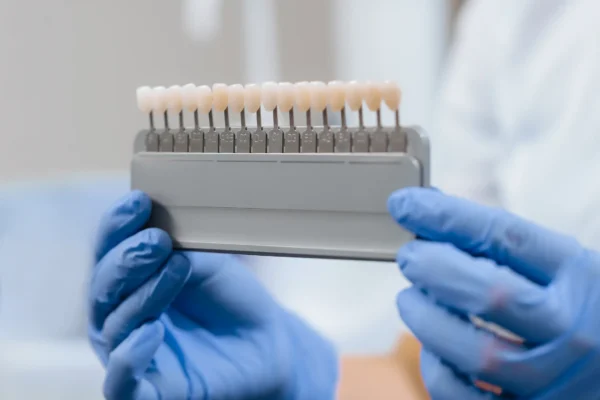
Aging changes a smile in ways that are both subtle and surprisingly visible. Teeth darken. Enamel thins. Tiny chips collect at the edges. Fillings that looked fine fifteen years ago begin to show their age before the person wearing them notices anything else in the mirror. Lips lose some fullness, and that can make the front teeth seem shorter even when the teeth themselves have not changed much. Add a little gum recession, a few worn corners, and perhaps one older crown that no longer matches, and the whole smile can start to look tired.
That does not mean a person needs a dramatic makeover. In fact, the best cosmetic work for an aging smile is often the least obvious. The goal is not to create a bright, perfectly uniform row of teeth that looks disconnected from the face. It is to restore freshness, proportion, and harmony. Done well, Cosmetic Dentistry can make someone look healthier and more rested without making friends wonder what was altered.
The challenge is that aging smiles are rarely improved by a single treatment alone. A whitening session might brighten the teeth, but it will not lengthen worn edges. Veneers can change shape and color, but they are not the right answer if the bite is unstable or dry mouth is causing rapid decay. Even a simple bonding case can disappoint if the gums are inflamed or the lower teeth are grinding against the new material each night. Rejuvenation works best when the plan accounts for appearance, function, and the biology of an older mouth.
What time does to teeth and gums
People usually notice color first. Teeth often pick up yellow, amber, or gray tones over the years because enamel becomes thinner and the deeper dentin shows through more strongly. Coffee, tea, red wine, tobacco, and certain medications can add stain, but even very healthy teeth change color with age. That is normal.
Shape is the next big factor. Incisal edges, the biting edges of the front teeth, wear down gradually. Some smiles that once showed long, youthful central incisors start to look flat from side to side. A thirty-year-old and a sixty-five-year-old can both have healthy teeth, but the older smile often shows less variation in edge length. That flattening removes some of the liveliness people associate with youth.
Then there is movement. Teeth can drift over time, especially if a patient has lost a back tooth, developed gum disease, or worn through old dental work unevenly. Slight crowding in the lower front teeth is especially common. It is not always severe, but even minor overlap can cast shadows and make teeth look darker and older.
Gums change too. Recession can expose root surfaces, which are usually darker and more sensitive than enamel. The gumline may also become uneven, making one tooth appear longer than its neighbor. In some cases, what looks like “long teeth” is really loss of supporting tissue rather than a cosmetic issue alone. That distinction matters, because no esthetic treatment lasts well on an unhealthy foundation.
Several signs tend to appear together in an aging smile:
- darkening or yellowing tooth color
- chipped or flattened front edges
- visible wear from grinding or clenching
- old fillings, crowns, or bonding that no longer match
- gum recession or uneven gum contours
A thoughtful cosmetic plan starts by identifying which of these changes are cosmetic, which are functional, and which signal a health problem that should be stabilized first.
Rejuvenation is usually about restraint, not reinvention
A common misconception is that smile rejuvenation means veneers on every visible tooth. Sometimes a comprehensive veneer case is appropriate, but many aging smiles benefit more from a selective approach. A person may need whitening, replacement of two worn crowns, and a little bonding to the front teeth, not ten restorations. Another may need clear aligners before any cosmetic finishing at all. The point is to treat the real causes of the aged appearance, not simply cover them.
One of the most useful things a dentist can do in consultation is listen for what the patient actually sees. Some patients say, “My teeth are too short now.” Others say, “I hate that one dark tooth in photos.” Some are bothered by lower crowding or by metal margins that have become visible near old crowns. Those complaints sound cosmetic, but they often lead straight to the most efficient treatment plan.
I have seen patients ask for veneers when their biggest improvement could come from replacing mismatched fillings and reshaping a few edges. I have also seen the opposite, where repeated patchwork repairs were no longer serving the patient well and a more comprehensive redesign finally gave them durable symmetry. Judgment matters more than the menu of procedures.
Whitening can help, but it has limits
Professional whitening is often the simplest place to begin because color influences the entire smile. Even a modest shift can make teeth look cleaner and younger. For many adults, custom take-home trays worn over one to two weeks produce more controlled, comfortable results than a single in-office session, especially if teeth are sensitive. In-office whitening can work faster, but it is not always better for every patient.
Whitening is most effective on natural enamel and certain types of extrinsic stain. It does not change the color of crowns, veneers, or tooth-colored fillings. That catches some patients off guard. If the front teeth contain older bonding or restorations, those areas may stand out more after the natural enamel lightens. Sometimes that is useful because it reveals exactly what needs to be updated. Sometimes it means whitening should be timed carefully before replacing visible restorations.
There are also shades that should not be chased. Very opaque, paper-white teeth often look artificial on older faces. A natural result usually has brightness without losing depth. In practice, many mature patients look best with a lighter version of their natural color rather than the lightest shade available.
Sensitivity is the main trade-off. It is usually temporary, but people with recession, cracks, or untreated cavities need evaluation first. A good whitening plan respects the condition of the teeth, not just the desired shade.
Bonding and contouring can restore youth with very little drilling
For worn edges, tiny chips, and slight asymmetry, direct composite bonding is one of the most conservative tools in Cosmetic Dentistry. Composite can rebuild length, soften sharp corners, close small spaces, and mask localized discoloration. On the right case, it offers remarkable visual improvement without removing much tooth structure.
This is especially useful for aging smiles that have lost edge anatomy. A skilled dentist can add back a millimeter or two of length to the central incisors, create gentle variation between front teeth, and restore the softer light reflection associated with a younger smile. These are small changes on paper. In a face, they can be transformative.
Bonding does have limitations. Composite can stain over time, particularly in patients who drink a lot of coffee or red wine. It is also less durable than porcelain in high-stress areas, especially for heavy grinders. That does not mean bonding is inferior. It means it is technique-sensitive and case-sensitive. For someone wanting conservative correction with reasonable maintenance, it can be ideal. For someone with severe wear and a strong bite, porcelain may hold shape and polish longer.
Minor enamel reshaping, sometimes called contouring, can also help. Smoothing a chipped edge or refining a slightly uneven contour may be all that is needed after whitening. The older I get in practice, the more I appreciate restrained changes. Patients often do too.
Veneers are powerful, but they should solve a specific problem
Porcelain veneers remain one of the most effective ways to rejuvenate aging front teeth when color, shape, wear, and proportion all need correction at once. They can lengthen short teeth, brighten dark enamel, close spaces, improve symmetry, and create a cleaner line to the smile. For patients whose front teeth have become heavily worn or patched with old bonding, veneers can provide a fresh start with excellent esthetics.
But veneers are not a shortcut around diagnosis. If a patient has active grinding, an unstable bite, significant gum disease, or severe dry mouth, the beautiful result may fail earlier than expected. Veneers can chip, debond, or leave a patient in a cycle of repairs if the underlying stresses are ignored. I have seen older patients who were told they “just need veneers,” when what they really needed first was a night guard, treatment of reflux-related erosion, or replacement of missing molars that had shifted all the pressure forward.
Preparation style matters too. Modern veneer techniques can be very conservative, but there is no one universal design. Some teeth need little to no reduction. Others require more shaping to avoid overbulking. The best veneer cases respect translucency, facial age, lip support, and the patient’s speech patterns. Teeth that are too large, too white, or too flat can age a face in their own way because they look separate from the person wearing them.
Crowns and replacement dentistry can refresh a smile when old work is the problem
Many aging smiles are dragged down not by natural teeth, but by dentistry that has simply reached the end of its life. A crown placed twenty years ago may still function, yet show a dark margin, opaque color, or shape that no longer fits the rest of the smile. Replacing one or two highly visible restorations can sometimes do more for appearance than whitening an entire arch.
This is where a nuanced eye matters. New all-ceramic materials can be beautiful, but beauty depends on shade selection, translucency, texture, and how the crown meets the gumline. A technically sound crown that is too monochromatic can still look older than a natural neighboring tooth. The best restorative work is often slightly imperfect in the right ways, with enough surface character and variation to mimic life.
Bridgework, implant crowns, and older partial dentures may also be part of the equation. If someone has lost teeth over the years, the cosmetic issue is not just the gap. Missing teeth change support in the cheeks and lips, alter the bite, and contribute to the sense that the lower face has collapsed. Restoring those spaces can improve both function and the overall youthful balance of the face.
Straightening teeth is not just for teenagers
Clear aligner therapy has become a quiet hero for many mature patients. Small shifts can make a big cosmetic difference, especially in the lower front teeth where crowding often creeps in with age. Aligners can also open or close spaces strategically before cosmetic bonding, veneers, or crowns, which often allows the final restorations to be more conservative and better proportioned.
Adults are often surprised by how manageable short-term orthodontics can be. A six- to twelve-month refinement is common for mild crowding or spacing, though more complex movement can take longer. The esthetic payoff is obvious, but there is a functional benefit too. Aligned teeth are easier to clean, which matters more as gum recession and dexterity issues become part of the aging picture.
There are trade-offs. Teeth move only where the biology allows, and some mature patients have bone loss or existing restorations that limit options. Retention is not optional either. If a sixty-year-old straightens crowded lower incisors and stops wearing retainers, the teeth can relapse just as surely as they can in a twenty-year-old.
Gum esthetics often determine whether the result looks believable
Teeth do not exist in isolation. If the gumline is inflamed, uneven, or receded, even excellent restorative work can look unfinished. Periodontal care is often the least glamorous part of smile rejuvenation, but it is one of the most important.
In some patients, meticulous cleaning and management of gum disease are enough to improve the look significantly. In others, minor gum contouring can balance the frame around the teeth. A central incisor that appears short may actually be hidden by excess gum tissue. Another may seem too long because of recession. Those problems require different solutions.
Root coverage grafting, when appropriate, can improve recession in selected cases, though not every exposed root is a graft candidate. Sometimes the better cosmetic choice is to restore exposed root areas with conservative materials and control sensitivity. The right answer depends on tissue thickness, tooth position, oral hygiene, and the patient’s goals.
This is also the stage where dry mouth deserves attention. Many older adults take medications that reduce salivary flow. Saliva protects teeth and supports the appearance of the mouth more than people realize. A dry mouth increases the risk of root decay around expensive cosmetic work. If a patient has a medication-related dry mouth, any esthetic plan should include strategies to manage it.
When wear is severe, the bite has to be part of the plan
Some aging smiles show more than routine wear. The teeth may be visibly shortened, the bite may have collapsed, and chewing surfaces may be deeply flattened. These patients often say, “My teeth are disappearing.” They are not exaggerating.
In advanced wear cases, isolated cosmetic fixes tend to fail. Lengthening only the front teeth without evaluating the back teeth and jaw relationship can overload the restorations. These cases often require a broader rehabilitation that rebuilds lost structure in a planned way, sometimes using provisional restorations first to test comfort, speech, and appearance.
This is where experience matters greatly. A full-mouth approach is a significant undertaking in time, cost, and complexity. It should be recommended only when truly indicated. But for the right patient, restoring vertical dimension, edge support, and posterior stability can make the face look more rested and the smile much younger. It can also reduce muscle fatigue, improve chewing, and protect the remaining natural teeth.
A night guard is often part of long-term protection, especially in patients with clenching habits. Cosmetic dentistry lasts longer when it is protected from the forces that caused the damage in the first place.
The best shade and shape for an older smile are not the youngest possible ones
One of the most useful conversations in a cosmetic consultation is about realism. Youthful does not mean artificial perfection. Natural front teeth usually have tiny asymmetries, gentle translucency at the edges, and a brightness that still fits the complexion, lip color, and age of the face.
A patient in her late sixties may not want the same tooth shape she had at twenty-five, even if she thinks she does at first. Longer, fuller edges can be flattering, but too much length can affect speech or create an overdone look. Likewise, very square, uniform teeth can seem harsh in a face with softer aging features. The design has to fit the person, not a trend.
Mock-ups and provisional restorations are helpful here because they let patients test changes before committing. Photos taken in conversation, not just posed smiles, can be revealing. Some designs look wonderful in a still image and less convincing when the person laughs or speaks. Real-life esthetics matter more than a perfect isolated close-up.
Cost, longevity, and maintenance deserve straight answers
Patients appreciate honesty about what lasts, what stains, and what may need revision over time. Bonding is conservative and relatively affordable, but it may need polishing, repair, or replacement sooner than porcelain. Veneers and crowns can last many years when well planned and maintained, but they are not permanent in the sense patients sometimes imagine. Gums recede, materials age, and life happens.
Maintenance also changes with age. A person with arthritis may struggle with flossing around bridgework. Someone taking multiple medications may develop dry mouth that shortens the life of restorations. A patient caring for a spouse with illness may not realistically keep up with high-maintenance dental routines. None of those factors rule out cosmetic treatment, but they should shape the plan.
A useful consultation covers at least these points:
- what is bothering the patient most, and what would count as a meaningful improvement
- whether the bite, gums, or decay risk need stabilization before cosmetic work
- which options are most conservative, and which are most durable
- what the result will require in maintenance, including retainers or a night guard
- how visible restorations may need to be updated over time
Those conversations are not obstacles to treatment. They are what make good treatment possible.
Choosing the right sequence matters as much as choosing the right procedure
Smile rejuvenation for older adults often works best in a sequence. Whitening commonly comes early so new restorations can be matched to the brightened natural teeth. Orthodontic movement, if needed, usually comes before veneers or bonding so the final dentistry can be less aggressive. Periodontal treatment should precede final esthetic work when gum disease or Cosmetic Dentistry recession is active. Worn bites may need provisional testing before final porcelain is made.
Patients sometimes want to jump to the most visible step first. That is understandable. But sequence prevents expensive compromises. I have seen cases where rushing into front veneers led to bulky shapes that could have been avoided with a few months of aligners. I have also seen old crowns replaced before whitening, only to have the patient wish they had gone lighter afterward and need shade adjustments sooner than expected.
A good dentist thinks like both a designer and an engineer. Appearance is the obvious goal, but order of operations is what protects the result.
What a refreshed smile should feel like
The nicest cosmetic outcomes for aging smiles tend to share one quality: they feel like the patient, only better rested. The smile suits the face. The teeth look healthy rather than manufactured. Speech is comfortable. Chewing is stable. The patient smiles more because nothing catches their eye in the mirror anymore.
That may come from something modest, like whitening plus edge bonding and replacement of a single old crown. It may come from a larger rehabilitation after years of wear. Both can be valid. The deciding factor is not how much dentistry is done. It is whether the treatment respects the person’s biology, age, goals, and daily reality.
Cosmetic Dentistry for aging smiles is at its best when it restores what time has softened without erasing character. A little translucency, slight individuality in tooth shape, and careful respect for function go a long way. The aim is not to make a sixty-five-year-old smile look twenty-five. It is to make it look healthy, natural, and fully alive again.
Toothworks of Bakersfield, Dentist and Orthodontist
1030 H St #1, Bakersfield, CA 93304, United States
+1 661-323-9421
FAQ About Cosmetic Dentistry
Is bonding better than veneers?
Neither option is best for everyone. Composite bonding can address small chips, gaps, or shape concerns and is generally easier to repair. Porcelain veneers may offer greater resistance to staining and wear, but often require removal of some enamel. A dentist should assess your oral health, bite, goals, and budget before recommending treatment.
How long will dental bonding last?
Bonding commonly lasts about three to ten years before it needs repair or replacement, though this varies with the location and amount of bonding, your bite, and daily habits. Regular dental visits, good oral hygiene, and avoiding chewing hard objects can help protect it. Ask your dentist what lifespan is realistic for your particular treatment.
What are the risks of teeth whitening?
Whitening can cause temporary tooth sensitivity and gum irritation. Overuse or incorrect use may damage teeth or gums, and whitening does not change the color of existing crowns, veneers, or fillings. Have a dentist assess your teeth and gums, and follow the recommended product directions and treatment schedule.
❧